How the local-inventory model works
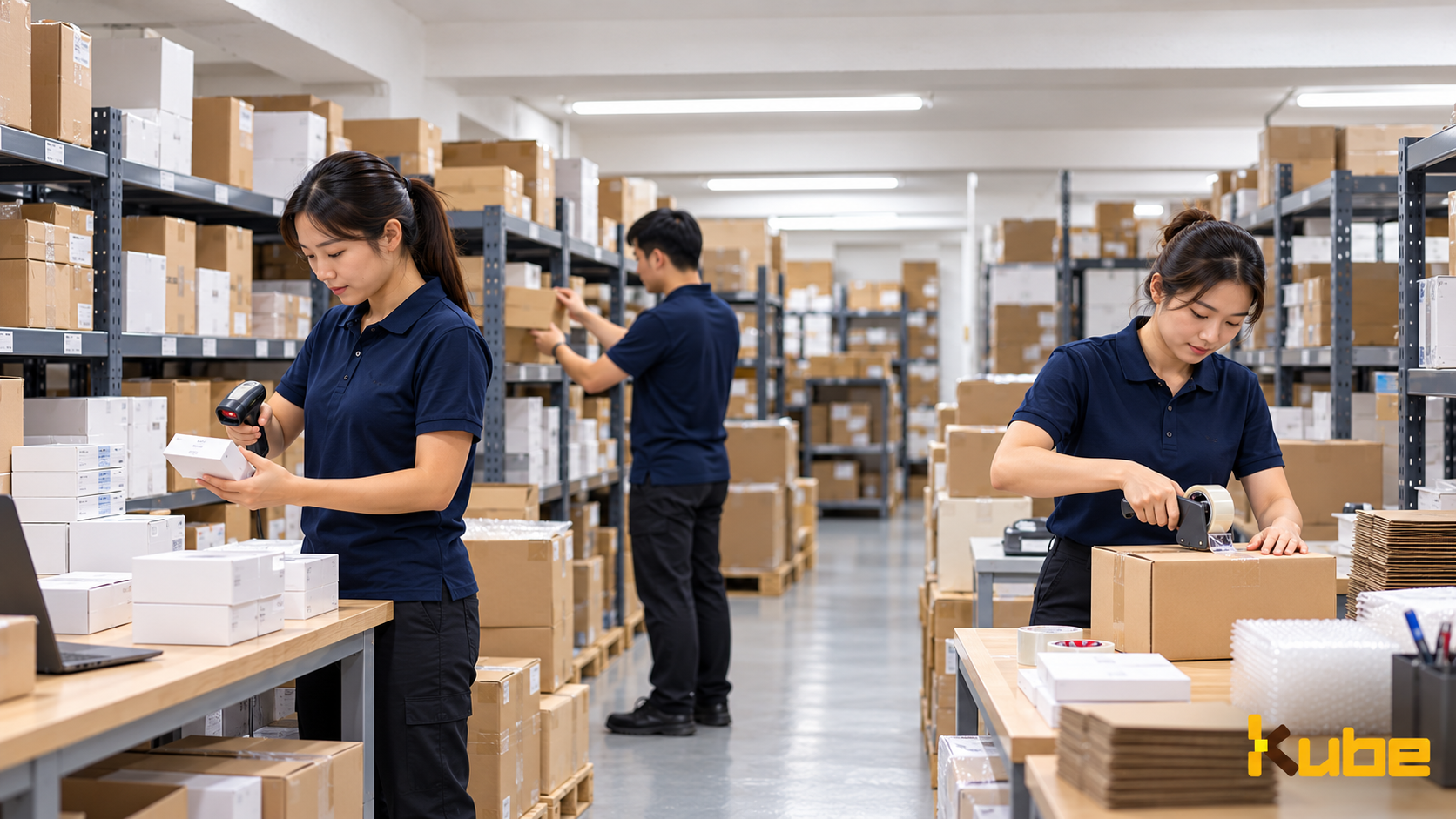
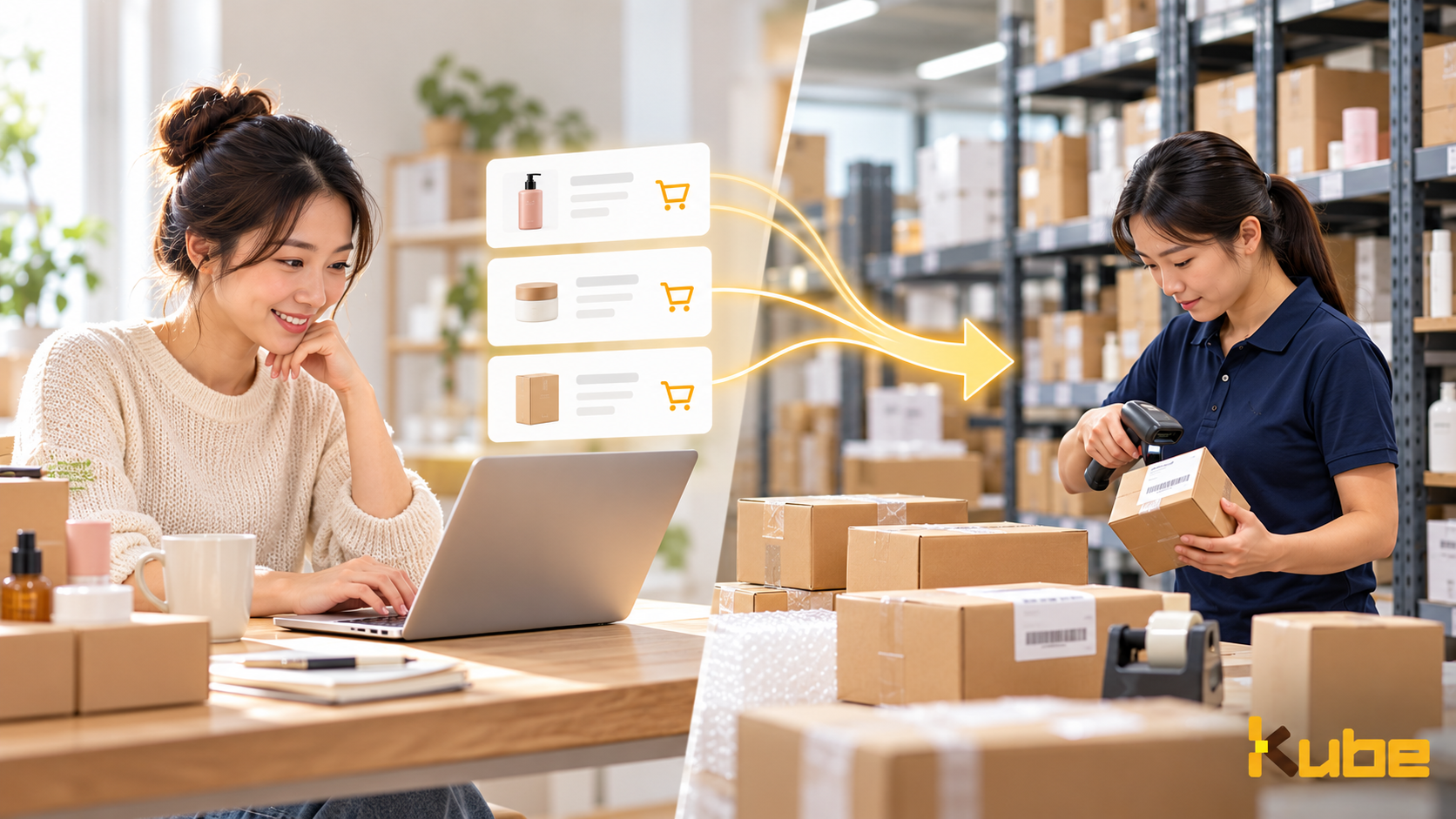
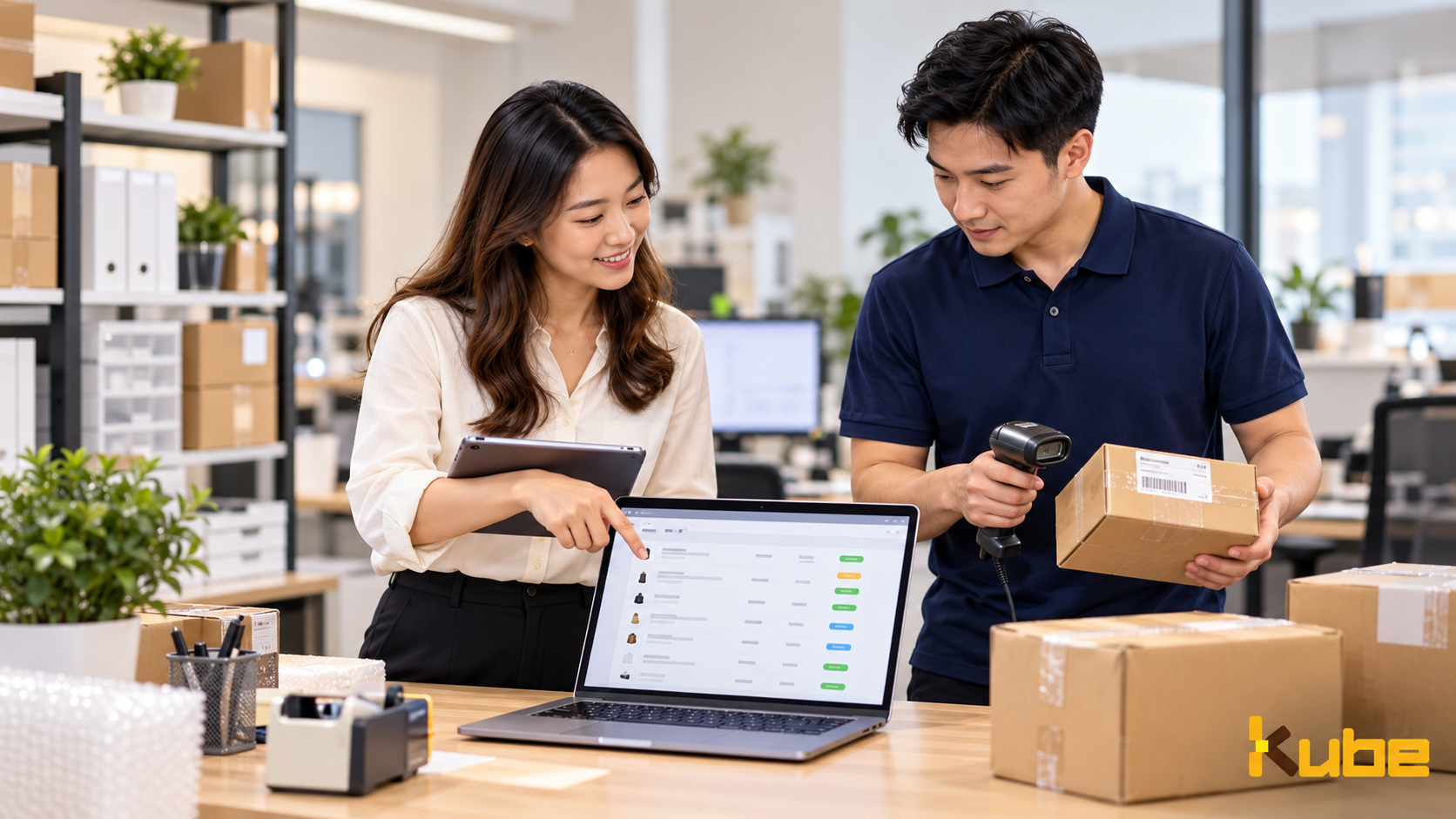
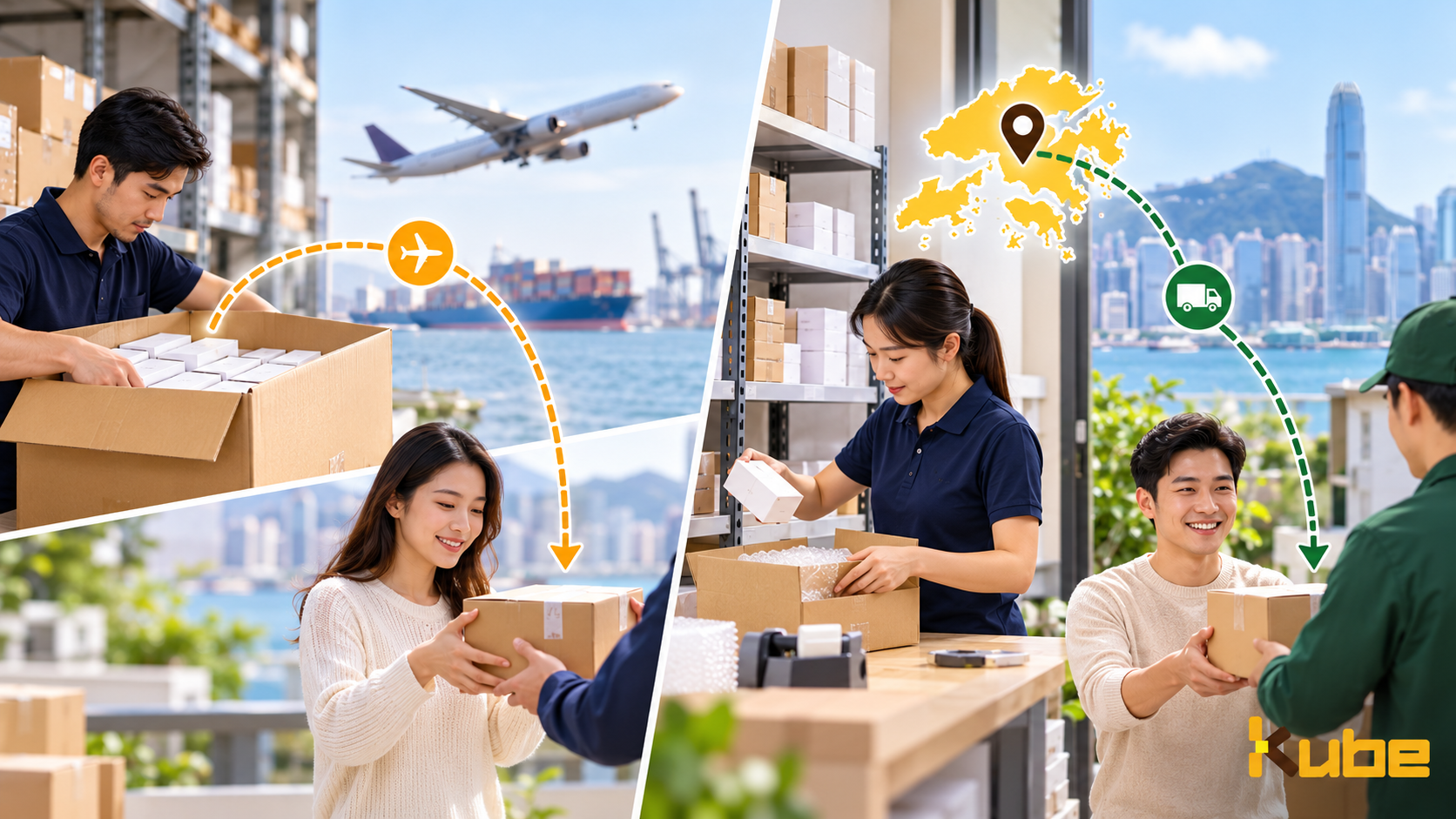
The brand sends its goods to a Hong Kong warehouse and provides SKUs, quantities and product information. After receiving and storing the stock, the warehouse obtains customer orders using the agreed method, then picks, packs and dispatches them. Each inventory movement should be recorded so the brand can plan replenishment and handle stockouts.
This model may suit a business that wants to retain ownership and control of its products but does not want to rent a warehouse or hire its own picking staff. The brand can check products in advance, set packaging and gift requirements, and use the same local inventory for different sales channels.
How it differs from supplier direct shipping
Supplier direct shipping generally does not require the brand to buy and send inventory to a local warehouse first. However, the brand may have less control over packaging, inventory visibility, dispatch location and processing time. Local fulfilment requires the brand to prepare stock and pay for storage, but it allows orders to be handled using verified goods, packaging materials and an agreed workflow.
Neither model is always better. The decision depends on which parts of the operation the brand wants to control. A supplier model may be lighter while a product is being tested and demand is uncertain. If sales are established and packaging or local operations matter, holding inventory locally and using a 3PL may be easier to manage.
What information should you prepare before enquiring?
A 3PL will generally need to know the product type, number of SKUs, stock per product, dimensions and weight, expected monthly orders, items per order, delivery areas and packaging requirements. A small number of orders does not always mean a simple operation: high-value products, easily confused variants or personalised packing may require more checks.
Also confirm how order information is handed over, the cut-off for cancellations or address changes, who decides what to do when stock is short and what dispatch records will be provided. The brand remains responsible for its online store, products, after-sales policies and customer communication. The 3PL handles physical warehouse and dispatch tasks according to the agreed arrangement.
A common mistake is comparing only the fee per order
Local dropshipping fulfilment may involve inbound receiving, storage, inventory management, packaging materials, delivery and special handling in addition to picking and packing each order. A low order count with bulky inventory has a different cost structure from a small, single-product parcel. Compare options using the same assumptions for stock, orders and delivery.
Another misconception is treating a 3PL as a sales platform. A 3PL can process confirmed orders, but it does not automatically find customers, set prices or manage advertising. The brand needs a sales channel, products and customer-service arrangements before handing over physical operations to a suitable partner.
Replenishment time affects available inventory
If replenishment from overseas takes time, set a safety-stock level and a replenishment reminder. Before a promotion, allow time for inbound receiving and stock counts; do not treat goods as available for sale the moment they reach the warehouse. Businesses with lower order volume should balance replenishment batch size against storage time and avoid holding excess inventory solely to obtain a bulk-purchase discount.